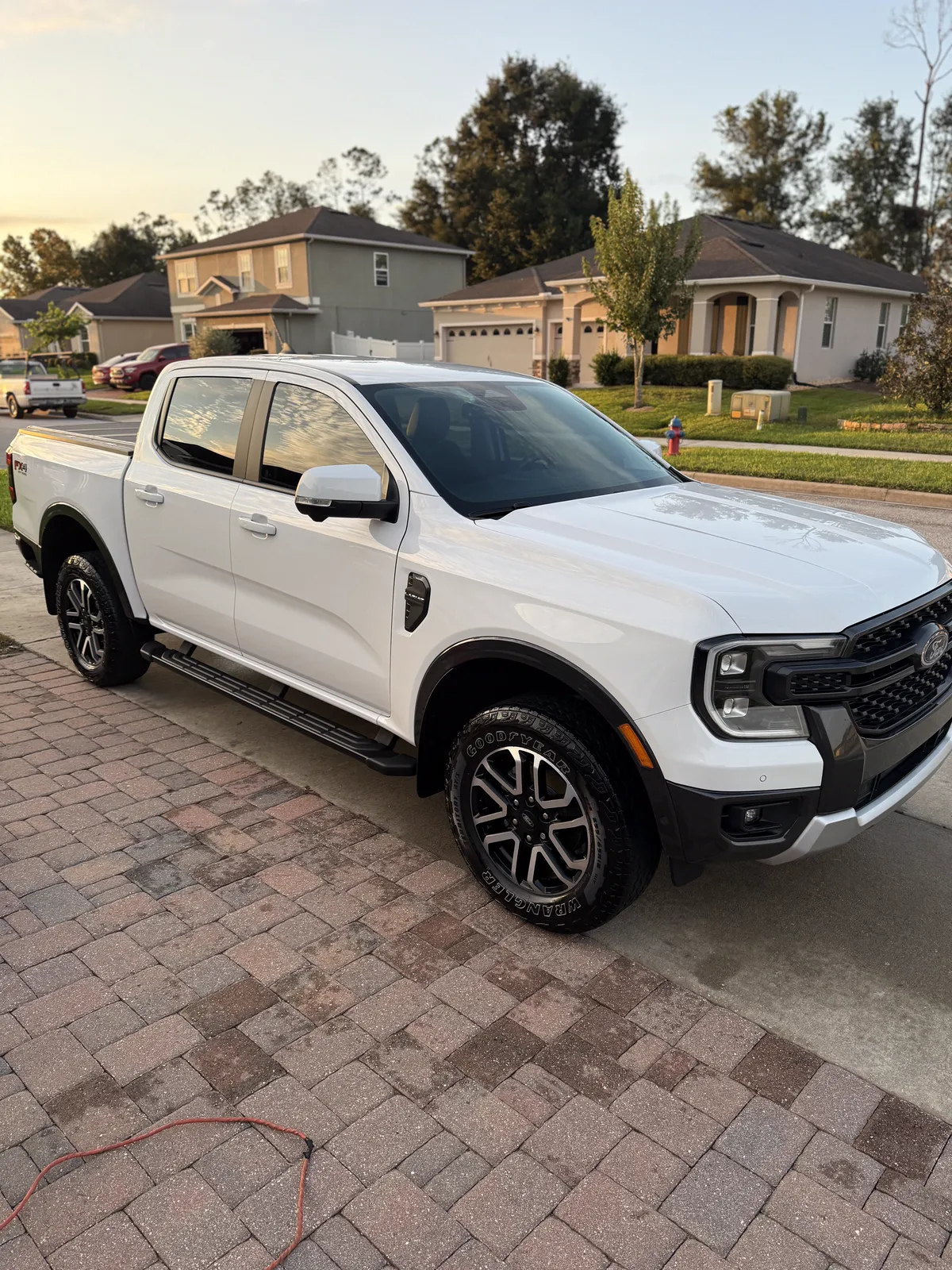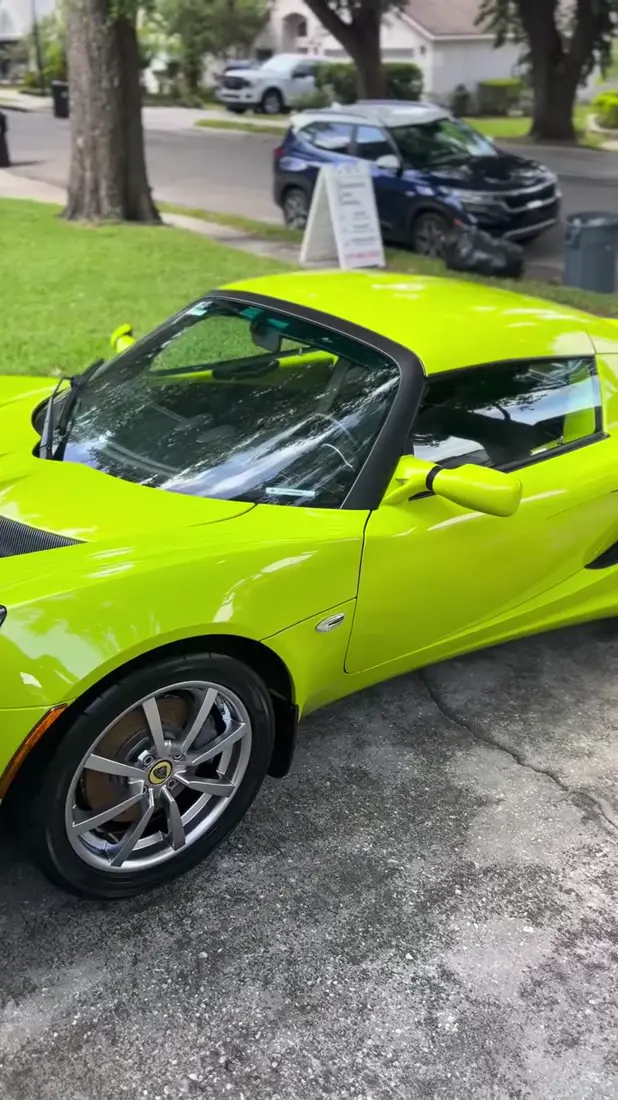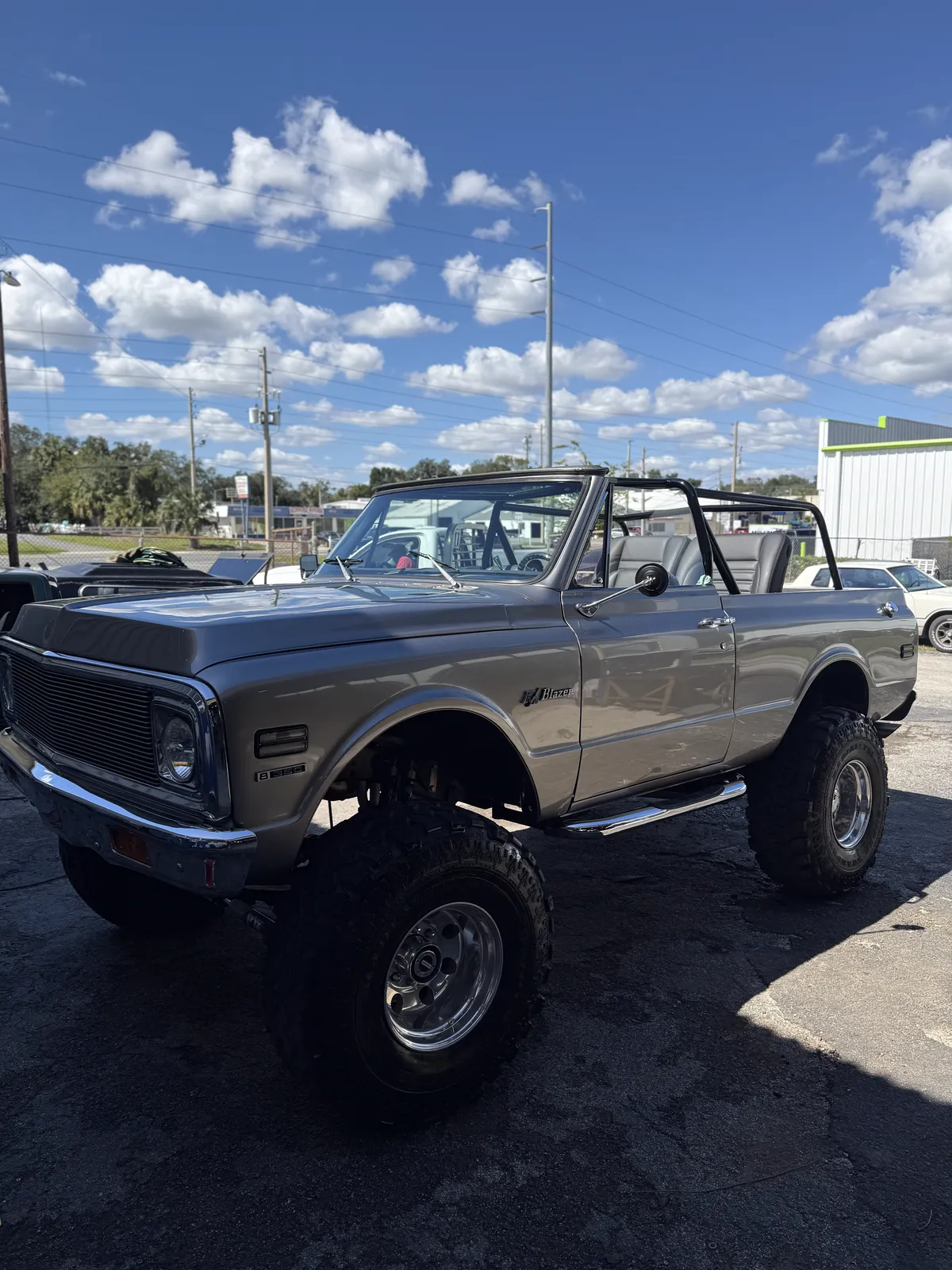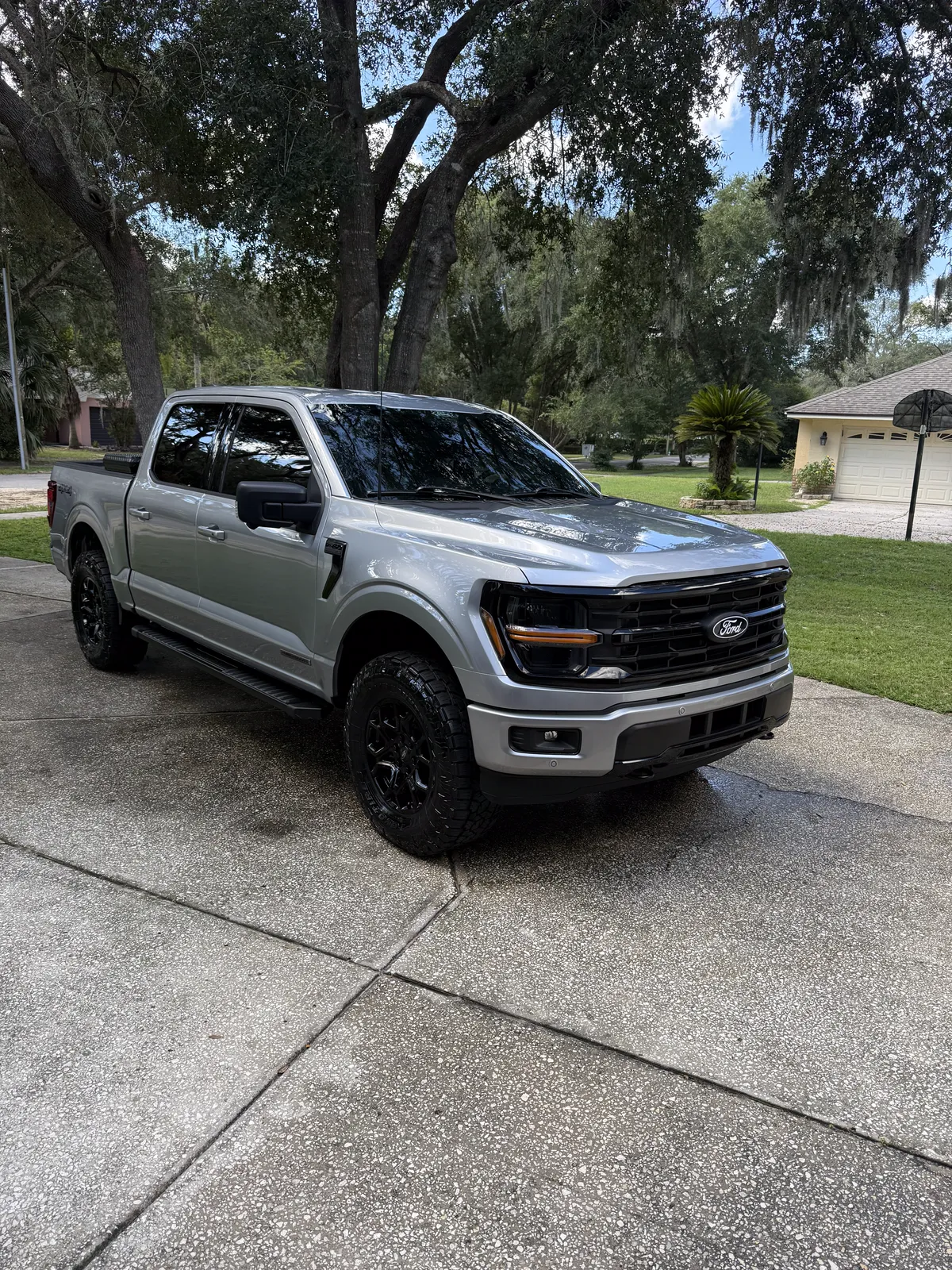
- For a car you keep a few years that parks outside, a coating usually pays you back in protection and easier washing.
- A professional coating lasts 2 to 7 years with care. Carnauba wax lasts about 4 to 8 weeks, per J.D. Power.
- A coating is clear. Swirls under it stay visible for years, so the paint is corrected first.
- It is not scratch-proof. “9H” is a pencil-hardness lab grade, not a promise against scratches.
- Lovebugs, droppings and hard-water spots still need to come off fast. A coating just makes that easier.
What a ceramic coating does, and what it does not
A ceramic coating is a liquid that bonds to your clear coat and hardens into a thin, slick layer. It sits on top of the paint, so the sun, rain, bird droppings and road grime hit the coating first.
- It does: slow down fading and oxidation from the sun, make water bead and roll off, keep dirt from sticking, and make every wash quicker.
- It does not: make the car scratch-proof, stop rock chips, or mean you never wash it again.
“A coating locks in whatever is under it. That is why I correct the paint first, then coat.”
Nick Russell, on his ceramic processWhy Florida is hard on paint
Cars here sit in strong sun most of the year, get hit by summer storms, and pick up pollen, tree sap and bugs. Paint that is left bare slowly loses its gloss and starts to look chalky, especially on dark colours and on the roof and hood.
A coating does not stop the weather. It gives the paint a tough top layer that takes the hit instead, and it makes bugs and sap far easier to wash off before they etch in.
Wax, sealant or coating?
For a car that parks outside, a ceramic coating gives the longest protection: 2 to 7 years with care, against about six months for his ceramic sealant add-on and a much shorter life for wax, which wears off with washing and sun. The table below puts the three side by side.
| Option | How long it lasts | Best for |
|---|---|---|
| Wax | Short. It wears off with washing and sun. | A quick shine. It is part of his exterior detail. |
| 6-month ceramic sealant | About 6 months | A step up for a daily driver. It is an add-on to any detail. |
| Professional ceramic coating | 2 to 7 years, with care | Cars you keep, cars that park outside, dark paint. |
If you are not ready for a full coating, the 6-month ceramic sealant add-on is a good way to see the water beading for yourself.
When is it worth it, and when is it not?
It is worth it when you keep a car for years, it parks outside, and the paint is new or worth correcting first. It is usually not worth it if you are selling soon, the paint has deep damage you will not repair, or you would rather wax the car every few weeks yourself.
- Will you keep the car for a few more years?If noProbably not worth it. The 6-month ceramic sealant add-on gives you the beading for less.
- Does it park outside most days?If noLess urgent. A garaged car sees far less sun, though a coating still makes washing quicker.
- Is the paint new, or worth correcting first?If noNot yet. A coating locks in what is under it, so deep damage you will not fix stays on show.
- Will it be hand washed gently?If noBrush washes wear a coating down faster. A sealant may suit you better.
- Yes to allA coating is likely worth it. Correct the paint first, then coat it.
Two quick tests before you book a coating
A coating is only as good as the paint under it. These two checks show you what the prep will need to do.
You need: a thin sandwich bag and freshly washed, dry paint.
- Put your hand inside the bag.
- Glide your fingertips flat and lightly over the hood, roof and a lower door.
- Smooth as glass means clean paint. Rough or gritty means bonded specks a wash will not remove.
Gritty paint needs iron remover and a clay bar before any coating, or the coating seals the grit in.
You need: a phone flashlight and a dark panel in the shade.
- Hold the light about a foot from the paint and look at its reflection.
- Fine circles around the light are swirl marks. A milky haze points to oxidation.
- Whatever you see now will stay visible under a clear coating unless it is polished out first.
See all three home paint checks in the paint correction guide.
Why the prep decides the result
A coating is clear. Whatever is under it stays visible for years: swirls, water spots, haze. That is why his ceramic process always runs in three steps:
- Clean and prepFoam wash, iron remover and a clay bar leave the paint truly clean.
- Polish and restoreMachine polishing removes swirls and brings back depth. See what paint correction is.
- Seal and protectThe nano-ceramic coating goes on and is heat-cured.
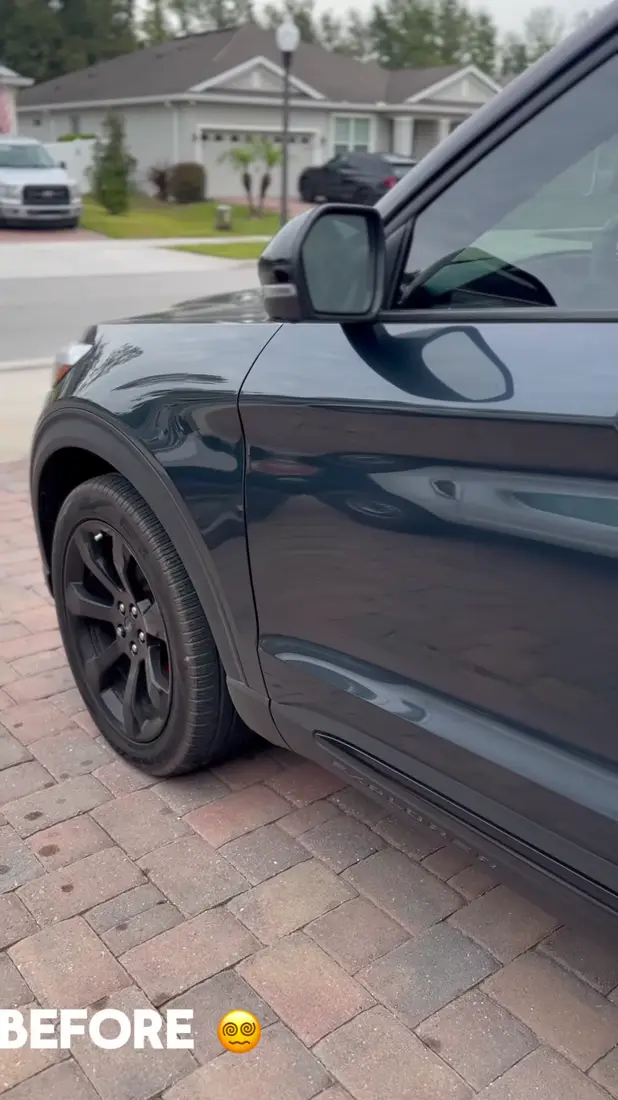 Before
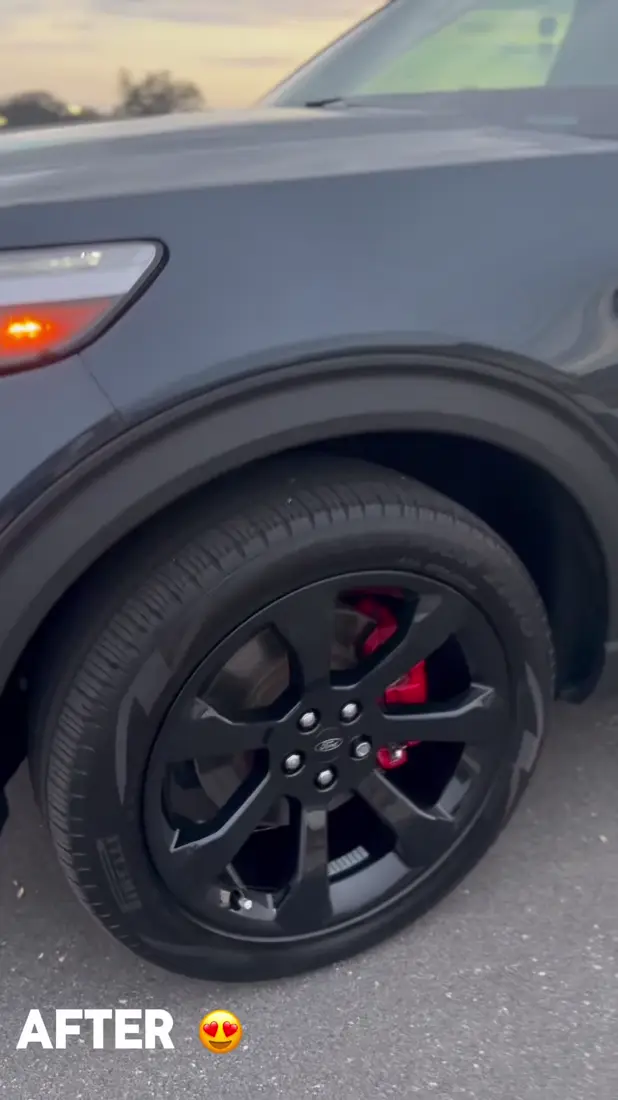 After · 3–5 yr coating
His 2022 Explorer ST job: hand wash, paint enhancement, then a 3–5 year ceramic coating.
Compare the Essential, Pro and Elite levels on the ceramic coating in Apopka page.
Ceramic coating myths, checked
A coating makes the car scratch-proof.
It resists light marks, but it is not scratch-proof and it will not stop rock chips.
“9H” means it is as hard as a diamond.
9H is the top grade of the pencil hardness test (ASTM D3363), where pencils from 6B up to 9H are pushed across a coating film [3]. It is a lab rating for a thin film, not a scratch guarantee for your car.
A coating hides swirls.
It is clear. It locks in whatever is under it, which is why the paint is corrected first.
Coated cars never need washing.
They still need washing; it is just quicker, because dirt and bugs do not stick as hard.
Lovebugs cannot hurt a coated car.
Remains left on any car can still harm the surface. UF/IFAS advises washing them off within a day [1]; a coating makes that wash easier.
- Is paint correction included, or extra?
- How many years is the coating rated for, with what care?
- Do you inspect and decontaminate the paint first?
- How is it cured, and how long must it stay dry?
- How should I wash it afterwards?
Words you will hear
- Ceramic coating
- A liquid that bonds to the clear coat and hardens into a thin, slick protective layer.
- Hydrophobic
- Water-repelling. Water forms round beads and rolls off instead of spreading out.
- Sealant
- A synthetic protective layer that lasts longer than wax but far less than a coating.
- Water spots
- Mineral rings left when water dries on paint. Hard water makes them worse.
- Lovebug damage
- Etching left when lovebug remains bake onto paint for days.
- UV fading
- Sun slowly dulling bare paint, first on the roof and hood.
Where to go from here:
Questions people ask
Does a ceramic coating stop scratches?
No. A ceramic coating resists light marks and makes paint much easier to keep clean, but it is not scratch-proof and it will not stop rock chips. Think of it as a hard, slick top layer that takes the sun, rain and grime first, so the paint under it stays glossy for longer.
Do I still need to wash a coated car?
Yes, but it gets easier. Dirt, bugs and bird droppings do not stick as hard to a coated car, so a gentle hand wash takes less time. How you wash matters: pH-neutral soap, a clean mitt and microfiber drying help the coating last, while automatic brush washes wear it down faster.
Can an older car be coated?
Yes, after the paint is cleaned and corrected. A coating locks in whatever finish is under it, so on older paint Nick decontaminates it and machine-polishes out swirls and oxidation first. That prep is what makes an older car look right under the coating, and it is part of every coating he applies.

Nick founded Obsessively Clean Detailing in Apopka and does every detail himself, at the customer’s home or office. Everything in this post comes from his own jobs. More about Nick.
- University of Florida IFAS, “Fact or Fiction? The Truth About Those Pesky Lovebugs” (UF/IFAS extension entomologist Tom Fasulo). blogs.ifas.ufl.edu/news/2004/05/27/fact-or-fiction-the-truth-about-those-pesky-lovebugs
- J.D. Power, “How Often Should You Wax Your Car?”. www.jdpower.com/cars/shopping-guides/how-often-should-you-wax-your-car
- ASTM International, D3363 “Standard Test Method for Film Hardness by Pencil Test”. www.astm.org/d3363-22.html
- University of South Florida, Exploring Florida: “Water Hardness” (from the U.S. Geological Survey map of the Floridan aquifer). fcit.usf.edu/florida/docs/w/waterhard.htm
- U.S. Geological Survey, “Hardness of Water”. www.usgs.gov/special-topics/water-science-school/science/hardness-water
- University of Florida IFAS Gardening Solutions, “Pollen and Allergies”. gardeningsolutions.ifas.ufl.edu/design/outdoor-living/pollen-and-allergies
- National Weather Service Melbourne, “Florida rainy season” climate page (Orlando medians). www.weather.gov/mlb/flrainmachine