Single-Stage vs Multi-Stage Paint Correction
When a car’s paint looks dull, scratched, or hazy, paint correction is the process that restores it. But not all corrections are the same — some cars only need a single-stage correction, while others require a multi-stage process. Knowing the difference helps car owners understand what level of service their vehicle really needs.
Detailing specialists estimate that about 60% of daily-driven vehicles can be improved with single-stage correction, but multi-stage correction is often required for darker cars, heavily swirled finishes, or show vehicles where perfection is the goal.
What Is Single-Stage Paint Correction?
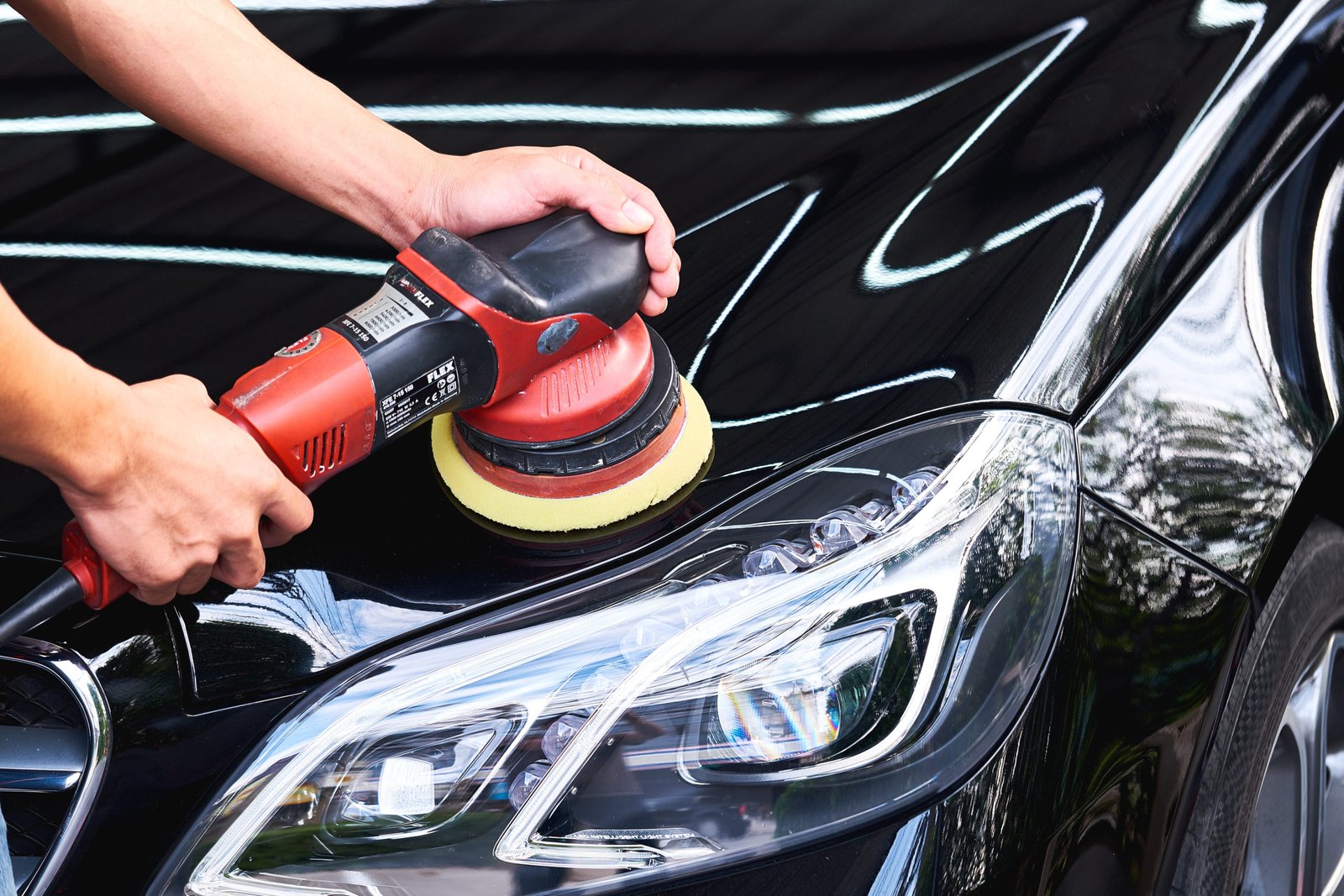
Single-stage correction uses one polishing step to remove light to moderate defects such as:
- Minor swirl marks
- Light oxidation
- Faint haze
It’s faster, more affordable, and ideal for vehicles in relatively good condition that just need a gloss boost. However, it won’t remove deeper scratches or heavy defects.
What Is Multi-Stage Paint Correction?
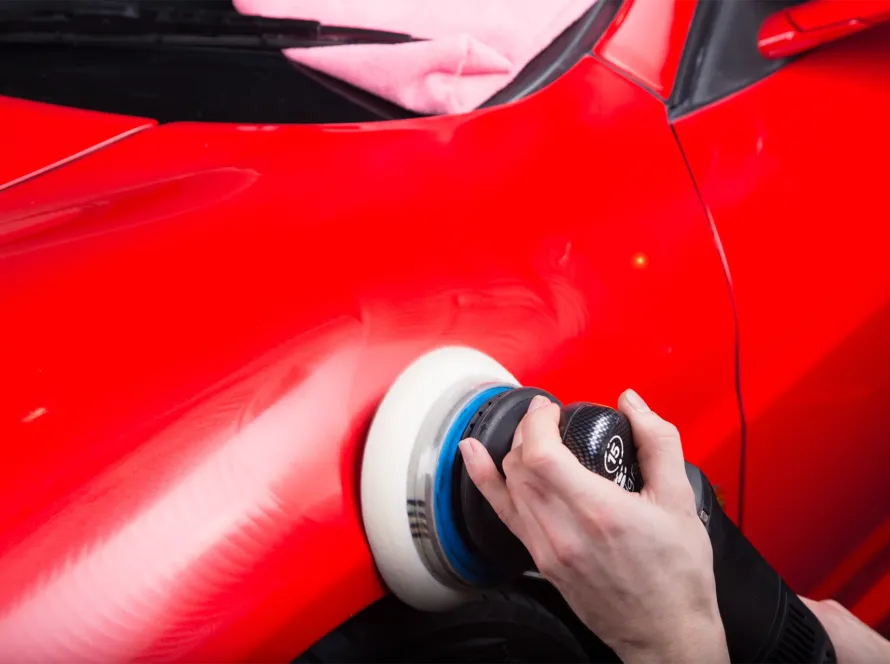
Multi-stage correction involves two or more polishing steps, starting with aggressive compounding and followed by finer polishing. It targets:
- Heavy swirl marks
- Deep oxidation
- Water spots and light scratches
- Holograms or micro-marring
Multi-stage correction produces a flawless, showroom-quality finish but requires more time, skill, and clear coat removal.
Key Differences Between Single-Stage and Multi-Stage
| Feature | Single-Stage Correction | Multi-Stage Correction |
| Steps | One polishing step | Two or more polishing steps |
| Defects Removed | Light swirls, light oxidation | Heavy swirls, scratches, holograms |
| Gloss Level | Noticeable improvement | Maximum clarity and depth |
| Best For | Well-maintained daily drivers | Show cars, dark finishes, neglected paint |
| Time Required | Shorter (few hours) | Longer (1–2 days) |
Why It Matters
Choosing between single-stage and multi-stage correction depends on:
- Paint Condition: Lightly marked cars need single-stage; heavily marked cars need multi-stage.
- Owner Goals: Daily drivers may prefer a quick refresh; enthusiasts want perfection.
- Budget and Time: Multi-stage requires more investment but yields flawless results.
Frequently Asked Questions (FAQ)
What is single-stage paint correction?
It’s a one-step polishing process that removes light defects and enhances gloss.
What is multi-stage paint correction?
It’s a multi-step process involving compounding and polishing to remove heavy defects and refine paint to perfection.
Which correction is better, single-stage or multi-stage?
It depends on paint condition. Single-stage suits minor defects, while multi-stage fixes deeper damage.
How do I know if my car needs multi-stage correction?
If your paint has heavy swirls, scratches, or oxidation visible in sunlight, multi-stage is recommended.
Does single-stage correction remove scratches?
It removes only light scratches. Deep scratches require multi-stage correction or touch-up paint.
Does multi-stage correction remove all defects?
It can remove most visible defects, but scratches deeper than the clear coat cannot be corrected.
How long does single-stage correction take?
Usually a few hours, depending on the size and condition of the car.
How long does multi-stage correction take?
It can take 1–2 full days, since multiple passes are required.
Does paint correction remove clear coat?
Yes, but only a few microns. Professionals monitor thickness with paint depth gauges to ensure safety.
Should I apply ceramic coating after correction?
Yes. Ceramic coating locks in results, adds hydrophobic protection, and reduces future swirl marks.